



Evolving the Forecourt: Why Maintenance Prevention Must Replace Preventive Maintenance

By Steve Stewart
Fueling system maintenance is a necessary part of retail fuel. That being said, it’s time for owners and operators to start thinking about it differently. What most people think of as “preventative maintenance” in the context of a fueling system is, in fact, a widespread misconception that holds the industry back from forward-thinking, long-term capital strategies.
Consider this: In manufacturing applications, preventative maintenance is a scheduled, systematic approach to prevent avoidable wear and tear on equipment to increase Mean Time Between Failures (MTBF). While aspects of this approach apply to fueling system equipment, ultimately, the primary goal of maintenance is to prevent environmental releases, fire hazards, and other serious issues, all while ensuring fuel remains free from contamination. Unlike commodity production, failure in this industry is measured by the catastrophic costs of environmental cleanup and non-compliance.
Unfortunately for most c-store owners and operators, the burden of fueling system maintenance is a never-ending battle. It’s time-consuming. It’s expensive. It’s stressful:
“How much water will be in the sump this time?”
“I sure hope the tech doesn’t find more corrosion in the tank.”
“What am I going to do if the entry in the sump is leaking worse than it was before?”
In most cases, owner/operators and their service technicians are responding to a problem that already exists, rather than preventing it. Corrective actions like plugging leak points or replacing worn seals and fittings are band-aid solutions that ultimately lead to a recurring cycle of repairs. This cycle inflates downtime and raises the total cost of ownership (TCO). These delays and cost penalties are severely magnified in remote areas, where geographic distance turns emergency service into a cost multiplier due to high travel charges and logistical delays in obtaining specialized parts and skilled technicians.
Fortunately, this financial and operational burden is no longer unavoidable.
Preventing Maintenance Is a Purchasing Priority
Much of what is considered “preventative” fueling system equipment maintenance today is more accurately described as “reactive.” To truly be proactive, owners and operators need to prioritize fueling equipment maintenance considerations at the time of equipment purchase.
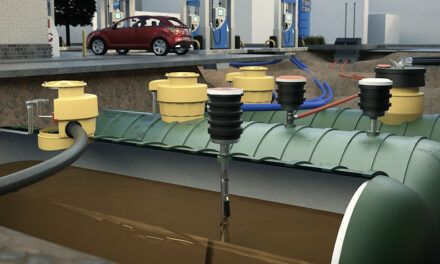
Manufacturers of advanced fueling system equipment, such as OPW Retail Fueling, are raising the bar, engineering equipment to eliminate potential leak points while simplifying and streamlining installation and testing. From pre-plumbed sump entries and fittings to corrosion-resistant composite spill containment, this engineered reliability represents a fundamental shift in asset management.
This maintenance-preventing philosophy is achieved through key innovations in fueling system components, including:
Water-resistant tank sumps, multiports and spill containers: Watertight covers on tank sumps and multiports prevent water intrusion, reducing costly maintenance and extending the lifespan of the entire system and its components.
Contractor-friendly double-wall spill containers: Double-wall spill containers that can be installed in the same space as single-wall buckets and feature a top-mounted vacuum test port and easy access to the electronic sensor streamline installation and testing.
Conduitless dispenser and turbine enclosures: Tank sumps with factory-installed, sealed conduit threads and junction boxes eliminate the need to drill holes in the enclosure during installation, thereby preventing the formation of potential leak points. Dispenser sumps with conduit channels outside of the box also eliminate conduit entry fittings.
Pre-plumbed dispenser sumps: These sumps arrive on the jobsite with the dispenser top, entry fittings, stabilizer bars, emergency shear valves, flex connectors, or NPT pipe nipples, elbows, and tees already installed. They help eliminate costly and time-consuming installation errors in the field and streamline installation timelines.
Hermetically sealed fire/crash valves: Emergency shut-off valves designed to contain shear groove leaks caused during a low-impact collision or dislodgment prevent the accumulation of leaked fuel in the sump and costly clean-up.
Flexible piping: Not only is installation quicker and easier with flexible piping, but the lack of hand-built underground joints eliminates potential underground leak points that are difficult and expensive to repair.
Testable overfill prevention valves: New models of overfill prevention valves can be installed without breaking concrete and can be tested without removal from the tank, significantly reducing installation costs and testing timeframes.
These technologies demonstrate a crucial industry shift: maintenance no longer has to be an operational resource and cost burden, but rather a cost to be engineered out of fueling system solutions. A strategic investment in these solutions will protect the retailer’s operational budget, maximize MTBF and help operators focus on C-store sales, car washes and delivering lucrative customer experiences.
How to Avoid Short-Changing Long-Term Equipment Value
To reduce fueling system maintenance and realize lower TCO, owners/operators need to reorient their purchasing philosophy and actively engage equipment suppliers. Here are five recommendations for establishing a successful, maintenance-preventing equipment acquisition strategy.
- Ask yourself if you are selecting equipment because it feels like “the path of least resistance.”
All reputable manufacturers will do their best to eliminate sales barriers. But if you are opting for brands simply because of historical precedent or brand inertia, you may be inadvertently settling for equipment that will ultimately cost you more over its lifecycle.
- Ask to learn about your options and ask questions.
Identify the chronic maintenance issues that divert time, attention and revenue away from your core business. It is plausible that an engineered solution already exists to address it.
It’s the responsibility of distributors and sales representatives to move beyond transactional sales and educate C-store operators about their options. Ask your sales representative to present you with solutions that lower operating costs through maintenance prevention.
- Raise your expectations.
The robust engineering behind modern fueling systems means many components are designed to last 15 years or longer. However, this longevity can lead to procurement complacency, causing C-store operators to unconsciously benchmark new purchases against the performance capabilities of 15-year-old technology. Manufacturers who are committed, long-term partners will push their operations to innovate, proactively engineering solutions to chronic operational problems that operators may not yet realize are solvable.
- Do the math, factoring in maintenance costs over the lifecycle of the solution.
If you don’t expect more from your fueling system equipment, you can expect the same results from “old technology”:
- Component failures
- Unplanned and recurring downtime
- Avoidable service calls
- High TCO
- Diminished fuel sales and brand loyalty from inconvenienced customers
Estimate maintenance and downtime costs from legacy technologies and include them in your investment decisions for equipment purchases moving forward.
- During your research, don’t just focus on “what” you should buy, focus on “who” you should buy it from.
Determining which fueling system equipment will provide the greatest long-term value is crucial for profitability and cost management, but it is only part of the equation.
Equipment manufacturers are as diverse as the products they make. Selecting total solutions providers known for a reliability-focused, future-oriented design philosophy will proactively set your business on a path to maximum uptime and minimal TCO across your operation. Four indications of a manufacturer committed to long-term partnership and accountability include:
- Transparent component sourcing: A manufacturer’s commitment to quality is demonstrated through the integrity of its supply chain.
- Investment in regional production: For many buyers, “Made in America” signifies trustworthiness and credibility. Investing capital and labor domestically demonstrates a commitment to quality management.
- Solution depth and consistent innovation: A robust ecosystem of solutions and an inherent drive to innovate show a commitment to solving customer challenges and allow for seamless, single-source solutions.
- Strong distribution network: By providing access to reputable local distributors with a well-informed, knowledgeable sales staff and a well-stocked selection of equipment inventory, local business needs can be met expertly and efficiently.
C-store operators seeking a pathway to long-term profitability should stop the costly, reactive maintenance cycle. By proactively choosing reliable, maintenance-preventing solutions upfront, operators can drive growth in high-margin revenue streams for years to come.
Steve Stewart is the senior Canadian & Caribbean sales manager for OPW Retail Fueling, based in Smithfield, NC, USA. He can be reached at steve.stewart@opwglobal.com. For more information on OPW Retail Fueling, go to opwglobal.com/retail-fueling.