


Equipment Options That Heat Up Beverage Sales
By Angela Altass
Hot beverage equipment has evolved beyond basic automatic drip coffee brewers to automated and advanced technology that can deliver café-quality beverages in any setting with minimal effort.
“Hot beverage technology has advanced from basic brewers to automated systems that meet today’s speciality coffee expectations,” says Gage Johnston, product marketing and market insights manager, Franke Coffee Systems.
Technology focus is shifting from machines to platforms, configurable menus, guided workflows, and features that reduce training burden while protecting in-cup consistency, says Michael Cheung, president, TFI Food Equipment Solutions.
“New pay-at-machine card tap systems are here with integration to large Canadian payment systems like Moneris and capacity to run captive payment cards such as student cards,” says Cheung. “From manual to automated consistency, modern systems offer complete recipe control, automated dosing, and extraction management to reduce operator variability.”
A successful hot beverage lineup should include brewed coffee, espresso-based drinks, hot chocolate, and seasonal specialties, notes Johnston. For Canadian convenience stores, it is important to offer dependable everyday favourites while also providing options that appeal to customers seeking new flavours or indulgent treats, he says, noting that flavoured and speciality beverages are continuing to gain traction, especially among younger consumers.
“With 60 per cent of Canadians purchasing coffee away from home, convenience stores now rely on precision grinders, programmable interfaces, and connected platforms to replicate café-level beverages.,” says Johnston. “These innovations support the growing demand for personalization, especially among Gen Z, where 52 per cent prefer flavoured coffee, allowing retailers to adapt quickly to emerging trends.”
Convenience store owners should choose equipment that aligns with their business goals, considering beverage volume, staffing, menu variety, and customer expectations, says Johnston.
“With 90 per cent of Canadians drinking coffee monthly and 58 per cent demanding both affordability and superior taste, equipment must deliver consistent, high-quality results at speed,” says Johnston. “Because 74 per cent of Canadians prefer the same coffee every day, reliability and repeatability are essential, while flexible menus help satisfy the 58 per cent who also want some variety.”
Stores benefit from equipment that offers easy cleaning processes, one-touch beverage selection, and remote monitoring, states Johnston. Connected technology enables remote performance monitoring beverage tracking, and proactive maintenance.
Also important is a correctly designed counter presentation that is inviting to the customer with cups in logical position, clear menu boards, and carefully designed graphic user instructions, says Cheung.
“Modular platforms and advanced systems give operators expanded menu flexibility without increasing labour or counter space,” says Johnston. “For example, a machine that delivers both iced and hot beverages from a single platform supports the growing demand for all-day versatility in the convenience channel.”
Customers are increasingly comfortable with self-serve hot beverage equipment, if it delivers speed, customization, and a consistently high-quality experience, says Johnston, while Cheung notes that self-serve has gone from “cheap coffee fast” to “fast coffee that’s actually good.” Self-serve operational safety is vital, adds Cheung, with features that include cup sensor dispenser control, drip management, and easy to wipe-down surfaces.
Operators should prioritize ease of use in a self-serve environment, with flexibility to serve both hot and iced beverages, low labour and maintenance requirements, and reliability, says Amy Brown, marketing manager, SEB Professional. The right equipment can elevate the perception of a store from simply a quick stop to being known as a coffee destination, she states.
“In convenience stores, customers expect an intuitive interface, quick beverage preparation, and options that reflect coffee shop standards,” says Johnston. “Cleanliness and well-maintained machines are essential, as the self-serve area often shapes a shopper’s perception of overall store quality. When these expectations are met, self-serve becomes a strong driver of repeat visits and customer loyalty.”
Today’s automated systems handle most beverage preparation, leaving staff free to focus on cleaning routines, customer support, and basic troubleshooting, states Johnston.
“Well trained employees protect beverage consistency and machine health,” he notes. “Consistent maintenance is key to protecting beverage quality, maximizing uptime, and extending equipment lifespan. Routine cleaning and scheduled preventative service help maintain optimal taste and temperature, reduce unexpected breakdowns, and ensure food safety compliance.”
Poor maintenance can impact coffee’s flavour as well as machine consistency and reliability, which ultimately damage repeat visits, states Brown.
“Ultimately, a machine is only as good as its maintenance where strong upkeep directly improves ROI and preserves the coffee experience that builds long-term customer loyalty,” remarks Johnston.
Regular machine maintenance is non-negotiable, says Cheung, noting it impacts four things:
- Taste: Old oils, residue, and scale change flavour.
- Food safety and hygiene: Especially for a milk system.
- Uptime: Cleaning prevents clogs, sensor faults, and brewer errors
- Lifecycle cost: Preventable failures are expensive ones.
As operators increasingly look to grow prepared beverage sales, with 58 per cent expecting beverages to become more important to their businesses in the next two years, equipment that delivers premium quality with minimal operational complexity is more important than ever, says Brown.
“Convenience stores now have some of the highest coffee purchase frequencies across foodservice,” says Brown. “Nearly 78 per cent of consumers say they are more likely to visit if they know the coffee is fresh and high quality. That means your equipment must consistently deliver quality, freshness, and speed.”
Hot beverage equipment has evolved from batch brewing to fully automated beverage platforms that support customization, premium quality, and operational efficiency, says Brown.
“Today’s systems automate cleaning, offer touchscreen interfaces for intuitive self-serve use, support speciality beverages like espresso-based drinks and iced formats, and even provide telemetry and remote monitoring in some cases,” she says. “Consumers are looking for more customization and premium quality while operators are managing tighter labour constraints. Equipment now needs to support both.”
Consumers agree that convenience stores are just as capable of delivering quality coffee as coffee shops, but they want freshness, clean beverage areas, customization options, speed and value, states Brown.
“Coffee is a daily ritual, and consumers expect consistency wherever they purchase it,” she says, “Investing in equipment that supports both core classics and premium options positions stores for long-term growth.”
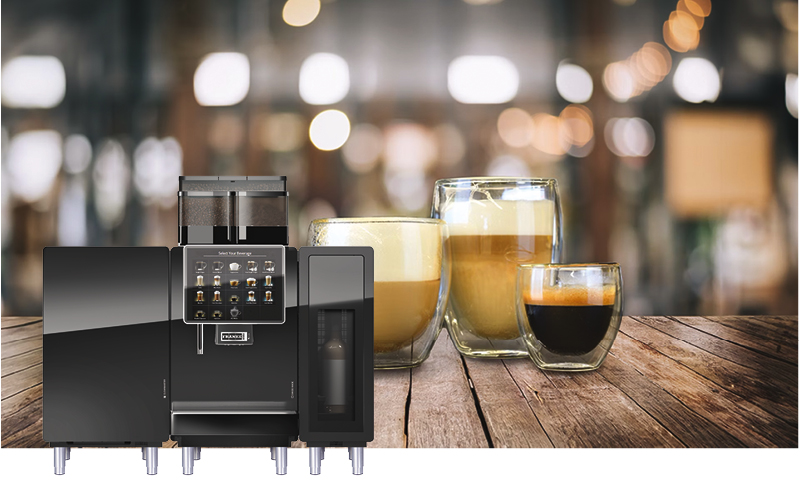
C-store beverage is increasingly expected to rival coffee shops with seasonal, limited-time-offer flavourings and customization, says Michael Cheung, president, TFI Food Equipment Solutions. He offers the following advice for choosing hot beverage equipment:
Throughput and daypart reality: Peak 30–60-minute rush? You want a system designed for fast dispensing, minimal intervention and proven user interface. Drink dispenser times must be fast, typically 30 seconds or less.
Menu strategy: Decide if you’re “great drip coffee + a few favourites,” vs “coffeehouse menu.” NACS reporting shows c-store coffee is moving toward higher quality, personalization, and seasonal variety.
Footprint + utilities: For tighter counters, use machines designed specifically for space-limited sites.
Labour and training: Favour equipment with guided cleaning, on-screen prompts, recipe locking, and minimal barista-quality milk options on a self-serve platform.
Service: Choose a partner that can deliver installation standards, water strategy, preventative maintenance cadence, and service level agreement (SLA) response.
Amy Brown, marketing manager, SEB Professional, recommends the following hot beverage equipment features for convenience stores, based on consumer and operator insights:
Automated cleaning systems: Labour remains one of the largest operator challenges. Automation reduces staff burden and ensures hygiene compliance.
Bean-to-cup technology: Twenty-eight per cent of consumers express interest in bean-to-cup systems, reflecting growing expectations for freshness and quality.
Customization capability: Consumers gravitate to options that best meet their needs, and the right equipment can help c-stores serve the high-quality customers crave.
Hot and cold versatility: Cold and iced formats continue to gain popularity, making systems that can produce both hot and iced formats valuable.