



Managing Work Attendance During Inclement Weather and Emergency Closures
By Renee Boyda
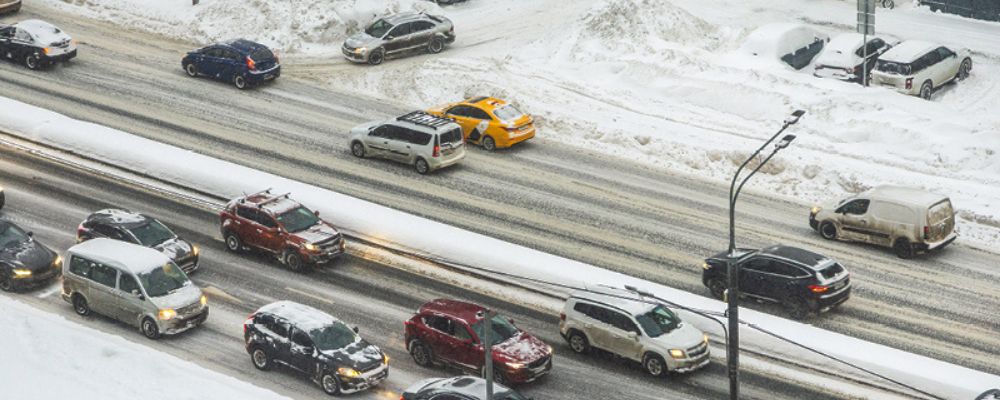
Extreme weather, natural disasters and other emergency situations can create serious safety hazards for workers commuting to and from their jobs. Canadian employers, particularly in regions prone to snowstorms, flooding, icy conditions, or wildfires must be prepared to manage these scenarios as well as ensure the safety of their employees. While large organizations often have formal emergency response systems, small businesses face tougher decisions about whether to stay open, what their legal responsibilities are, how to pay staff, and how to manage absences fairly and legally.
Employers are responsible for exercising good judgment, due diligence and prioritizing safety and compliance with occupational health and safety laws. Employers have a duty of care, meaning they have a legal duty to ensure employees are not exposed to undue risks, which includes discouraging travel when conditions are unsafe – even commutes. Employers must be aware of all possible situations that could pose undue risk to the safety of employees during commutes. These include:
- closed highways or impassable roads due to heavy snowfall, ice, or flooding.
- official travel advisories or local states of emergency where authorities urge the public to stay home.
- severe weather warnings from Environment Canada, such as blizzards, tornadoes, or freezing rain events that make driving hazardous.
- natural disasters such as wildfires, earthquakes, or major storms that disrupt infrastructure or threaten property.
Therefore, when a local government, RCMP or transportation authority issue a road or highway closure or travel ban, employers and employees should follow those directives and eliminate the potential hazards.
Another consideration for employers is how to handle pay entitlements. If the employer closes the workplace due to the severity of the situation, before employees have reported to work, employees are not required to be paid unless company policy, employment contracts or collective agreements state otherwise. However, if employees have reported to work, then the workplace closes later, those employees will need to be paid for their time worked or at least your province’s minimum reporting pay (usually three hours pay but can vary by province), whichever is higher. Employees who are unable to report to work due to the conditions do not need to be paid. An employer can offer an employee the option to use a vacation day, banked hours if applicable, making up the hours or having the missed time unpaid. It is important to note that requiring employees to use their vacation for their absence in this situation undermines the purpose of vacation, which is intended for rest and recovery. Forcing use of vacation can create legal and employee-relations risks if it appears inconsistent or punitive, potentially discouraging employees from making safe decisions in the future and increasing health and safety liabilities for the employer.
Disciplinary action for absences in these circumstances should be handled carefully, recognizing that such events often create unavoidable challenges for employees. Beyond personal safety, many employees must also manage family-related responsibilities – such as school closures, childcare disruptions, or caring for dependents. Employers should consider these legitimate circumstances before considering discipline. Consistency and empathy are key. Discipline should only be considered if the absence is unreasonable, uncommunicated, or inconsistent with policy and procedure. If an employer suspects an employee is using adverse weather to avoid attending work, they must investigate the matter and consider the employee’s individual circumstances, such as the severity of the weather and whether the employee made reasonable efforts to attend work.
Employers can best manage these unpredictable situations through clear planning and communication. Effective policies protect employee safety, minimize liability, and maintain organizational or operational continuity. Employers should develop a comprehensive policy that defines decision makers, roles, communication methods (via text, phone calls, company website), the communication plan (from proactive notifications before anticipated events to real time updates as conditions evolve, specifying if work is cancelled, safety instructions and reporting procedures), pay expectations, potential alternative work options (if available) as well as the employee’s responsibilities. Ensure that your supervisors respond consistently and fairly when such events occur and encourage cross training so that more employees can cover essential functions in the event not all employees can make it to work. Debrief with your supervisors and staff after serious weather events to identify what worked well and what improvements could be made for future responses. Finally, employers must keep documentation of the event – closure decisions, communications, attendance records (in case of questions arising regarding pay or disciplinary action later), debrief notes and future improvements or considerations.
A well-handled inclement weather plan or emergency closure not only prevents accidents but reinforces your reputation as a responsible, caring employer – something that matters as much in business as any sale or service delivered.
If you need assistance with this, or any other HR related matter, please contact us at TIPI Legacy HR+:
tipilegacyHR@tipipartners.com.
Renee Boyda is a human resources consultant with Legacy Bowes. She is a CPHR candidate, received her Bachelor of Arts in Sociology from the University of Manitoba, and received both Human Resource Management and Management Development Certificates with Honours from Red River College. She is focused on building HR structures and processes to create consistency and fairness in workplaces across Canada. Renee is a proud Metis, with over 12 years of human resource experience in both union and non-union environments. She can be reached at (204) 947-5525.