



The Operator’s Guide to Maximizing Equipment Value
By Kaylie Long
Many operators assume new equipment is automatically the smarter financial decision. In reality, the smartest equipment decision isn’t always the newest one. It’s the one that creates the most value. The end of a warranty period or OEM support does not signal the end of an asset’s useful life. The smartest operators maximize equipment value by making deliberate decisions that keep costs low, performance high, cash flow available and options open. This creates a more resilient operation.
Obsolete Doesn’t Mean Useless
When you receive an obsolete notice from the OEM communicating an end-of-life date for support on a part you have in service, there is no immediate need to panic. This is not a notice of failure, nor is it a reason to rush out and replace equipment with new. In many cases, this is simply a manufacturer decision that it no longer makes financial sense to continue supporting a product line. It is not an indication that the equipment has stopped performing. Unsupported doesn’t necessarily mean unusable to the operator. The question isn’t whether support has ended. The question is whether the equipment is still creating value. Smart operators don’t replace equipment because they’re afraid. They replace equipment because it makes financial and operational sense.
The Smartest Operators Don’t Choose Sides
This is not a debate between new and remanufactured equipment. The goal is to understand when each option creates the most value. New equipment makes sense when new technology creates meaningful value for your customer, improves operational efficiency, or when a piece of equipment has become unreliable on a widespread basis. Remanufactured equipment makes sense when performance remains strong, costs can be significantly reduced, known failure points can be addressed, and equipment still has useful life remaining. Smart operators use the right tools for the right situation and do not choose the same answer every time.
The Most Valuable Equipment May Already Be in Your Wash
Sometimes the most valuable equipment in your wash isn’t the newest. It’s the equipment that’s already paid for itself. Every equipment decision is ultimately a capital allocation decision. Once equipment has paid for itself, every additional year of reliable operation improves its return on investment. Reliability and performance matter more than the age of your equipment. Customers aren’t privy to whether your equipment or parts are new or remanufactured. What they care about is getting a quality wash and pulling away with a clean car. They only know whether the wash delivers the experience they expect. Customers aren’t choosing your wash because a board was manufactured last month. They’re choosing it because the wash works, the experience is consistent, and they leave with a clean car. Don’t assume new equipment automatically creates customer satisfaction. If there are no meaningful performance advantages visible to the customer, they will drive away with a clean car either way. The money saved through a smart repair or remanufacturing decision doesn’t simply disappear. It stays in your pocket until you decide where it can create the most value. Operators don’t win by spending the least amount of money. They win by getting the most value from every dollar they spend. That money remains available for marketing, site improvements, employee investments, future expansion, or cash reserves.
Build Your Inventory Before You Need It
Though I’ve been careful to communicate that there is no clear winner between remanufactured and new equipment, I will tell you the worst decision you can make is waiting for a critical failure before making one. Keeping spares available is incredibly important in maintaining a consistent customer experience. The last thing you want is to have a wash down on a busy July weekend. My advice is to evaluate failed equipment for remanufacturing before assuming replacement is the only option. Even if you’re only keeping the remanufactured part as a spare, you’ll have something ready for immediate installation when a problem arises. Problems don’t discriminate on holiday weekends. Many operators have shelves full of failed or retired electronics they consider junk. In reality, those assets may still hold value. Selling retired equipment into the remanufacturing stream can generate cash while helping extend the useful life of equipment for the next operator. There may be value sitting on the shelf that many operators overlook. What looks like junk today may become tomorrow’s spare, core credit, or emergency replacement. The worst time to make a major equipment decision is when your back is against the wall and you’re forced to make it.
Why Remanufacturing Deserves a Second Look
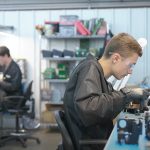
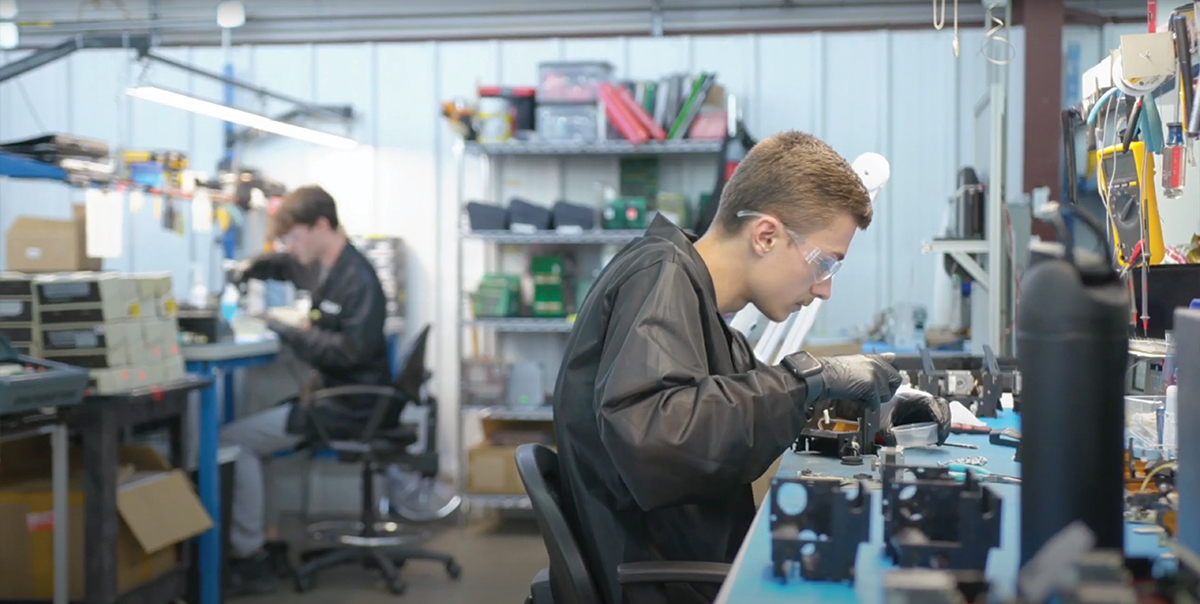
True remanufacturing goes beyond repair. The product is evaluated and restored at the component level rather than simply replacing the failed part. Common failures are proactively addressed, so the remanufacturing process isn’t just isolating the issue. It is creating a stronger product by replacing known failure points that have been identified repeatedly through years of field experience. In some cases, remanufacturing doesn’t just restore functionality. It addresses known failure points before they happen again. Trusted remanufacturers also live test and simulate real-world operating conditions for quality control, ensuring the product performs exactly as it will in the field before it ships. Reliability, performance and testing matter more than the perception of “reman.” Your balance sheet will know the difference, but your customers will not.
The Bottom Line
The most valuable equipment in your wash may not be the newest. It may be the equipment that has already paid for itself and is still creating value every day. Smart operators don’t make equipment decisions based on age, perception, or fear. They make them based on performance, value, and return on investment. The goal isn’t to own the newest equipment. The goal is to build the most resilient operation.
Kaylie Long is the marketing director at RDM Industrial Electronics, a family-owned company providing remanufactured electronics, repair services, and new replacement parts to the petroleum and carwash industries. Her focus is helping operators and service companies make informed equipment decisions that maximize value, improve reliability, reduce downtime, and support long-term operational success.