



Propane Cylinder Refilling: A Missed Opportunity for Retail Site
By Marcel Mandin
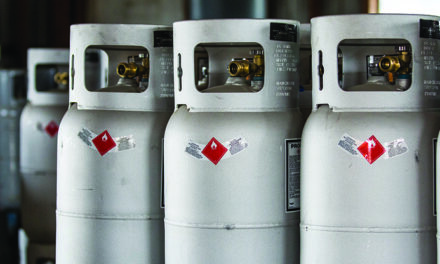
As Canadians balance work, family and everything in between, convenience has become a driving force in daily life. Drivers are looking to accomplish more in one stop, creating an opportunity for carwash operators to add services and increase revenue per visit without significantly increasing overhead. One often overlooked option is propane dispensing.
Propane serves a wide range of everyday users, including BBQ and firepit owners, RV travellers, contractors, fleet operators and rural and remote residents. Demand is steady and often seasonal in predictable ways, and the margins for propane can be more attractive than traditional fuels.
Although propane exchange cages have become a familiar site at many gas stations, grocery stores, and convenience retailers, many customers still want to fill their cylinder.
They may not want to exchange a newer tank for one that is older or refurbished, and they may be reluctant to give up any remaining fuel – while also wanting to avoid running out. For these customers, refilling or topping up is the more practical option.
Value is another important consideration. Refill stations typically charge only for the propane dispensed and often fill closer to a cylinder’s full usable capacity. In contrast, exchange programs commonly provide less propane at a similar – or higher – price.
While exchange cages offer clear convenience and simplicity, their growth has created a gap. Refill options are becoming less common at retail locations and, in some communities, harder to find. For carwash operators, gas stations, and convenience retailers, this presents a clear opportunity to offer a service customers want but have difficulty finding.
When properly planned and managed, propane cylinder refilling can provide steady revenue, attract new customers, and differentiate your location in a competitive market.
A natural fit for carwash and fuel sites
Propane dispensing aligns well with the business model of carwash, fuel, and convenience retail locations. These sites already serve customers making routine stops. Adding propane refilling creates another reason to visit and an opportunity to increase overall spending.
Propane can also help balance seasonal demand. While usage peaks during barbecue season and colder months, there is steady year-round demand from applications such as patio heaters, camping, and small appliances.
Understanding the business case
Refilling requires trained personnel. Unlike exchange cages, which are largely self-serve, dispensing must be done by qualified staff. This affects staffing, service hours, and operational planning.
At the same time, these requirements create a barrier to entry. Because refilling is more involved, fewer locations offer it. Operators who invest in doing it well can build a loyal, repeat customer base.
Safety and training are non-negotiable
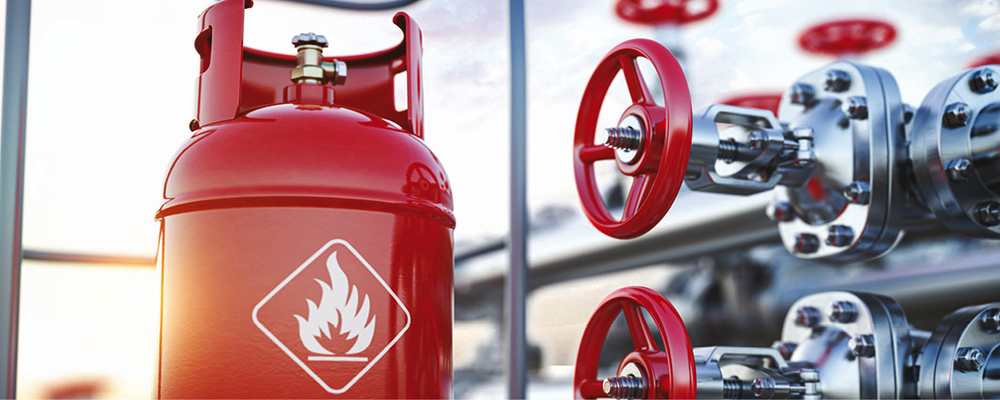
Propane is a safe and widely used fuel when handled properly, but it requires knowledge and attention to detail. Trained filling attendants are essential to any dispensing operation.
Attendants must be able to inspect cylinders for damage or expiry, connect equipment correctly, and fill to appropriate levels. They must also be prepared to recognize and respond to potential issues.
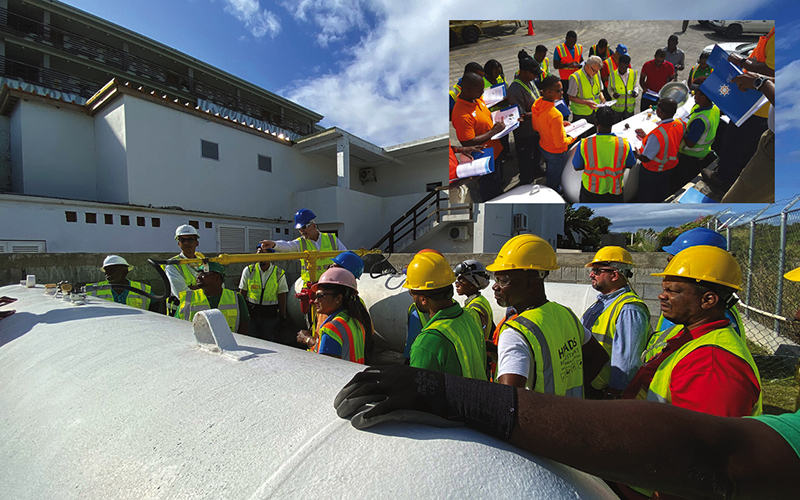
This is where the Canadian Propane Association’s Propane Training Institute (PTI) plays a key role. The Propane Training Institute provides standardized, nationally recognized training programs specifically designed for propane handling and dispensing.
Proper training ensures staff are confident, competent, and compliant. It also builds customer trust. A knowledgeable attendant who can explain the process and answer questions provides a level of service that exchange cages cannot match.
Making it work at your site
For operators considering propane dispensing, a few practical steps can help set the foundation:
- Assess local demand: Identify gaps in refill availability in your area.
- Ensure visibility: Promote the service clearly
- Invest in training: Use recognized programs such as those offered by the PTI.
- Set clear service hours: Align availability with peak traffic times.
- Prioritize safety and compliance: Follow all applicable codes and maintain equipment regularly.
Refilling also requires some customer planning. Unlike exchange, where a cylinder can be swapped immediately, refilling depends on customers bringing in their existing tank. Encouraging customers to keep a spare cylinder can help ensure they are never without fuel – and can increase repeat visits.
A service worth offering
As refill options become less common at retail locations, their value continues to grow. Customers who prefer refilling are often loyal, informed, and willing to seek out locations that offer it.
While exchange cages provide convenience, they are a standardized, one-size-fits-all solution. Refilling gives customers more control, better value, and a higher level of service.
For carwash, gas station, and convenience operators, propane dispensing is more than an add-on – it is an opportunity to stand out, meet a clear customer need, and build consistent, repeat business.
With the right planning, proper training through the PTI, and a focus on customer experience, propane cylinder refilling can be a visible, viable, and valuable part of your operation.
Marcel Mandin is a training development manager with the Propane Training Institute/Canadian Propane Association