



The Dirt Below and Its Impact on Pit Maintenance
By Nicole Carson As carwash operators continue to prioritize sustainability, cost savings, and regulatory compliance, water reclaim systems have become a key component of modern carwash design. These systems reduce water consumption, helping sites operate more efficiently while meeting regulatory demands. However, without proper maintenance of center trenches and underground reclaim tanks, even the most advanced reclaim systems can quickly become inefficient, or worse, damaged.
Defining “The Pit:” More than One Meaning
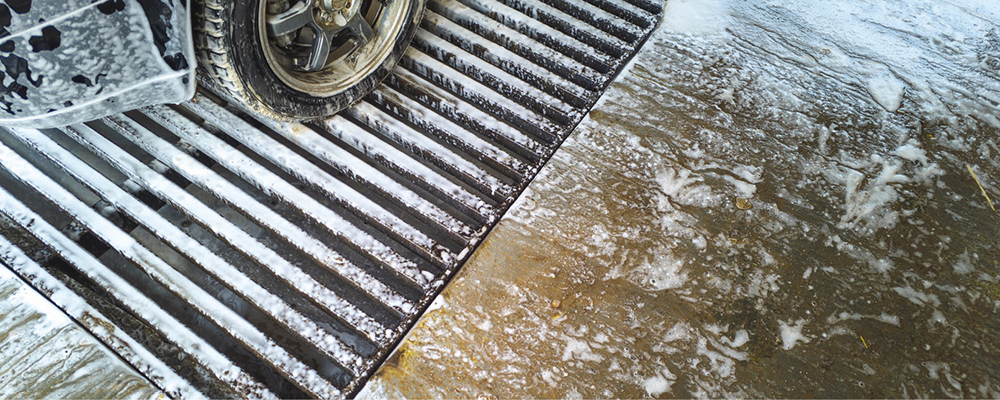
Ask a carwash operator about “the pit,” and you might get different answers. In many cases, the term refers to the center trench running through the wash bay. This is where water, dirt, and debris first collect. In other contexts, “the pit” refers to underground reclaim tanks where water is stored and prepared for reuse. This is similar to how industry terms are often used interchangeably, even when they refer to different parts of a system. Both the center trench and the underground reclaim tanks are critical to system performance. As many carwash operators learn, what’s below the surface is easy to overlook until it starts affecting everything above.
The Problem Beneath the Surface
Every vehicle that enters a wash introduces contaminants such as oil, organic material, and road debris. While reclaim systems are designed to manage this load, they rely heavily on proper site maintenance, including cleaning the center trench and underground tanks. 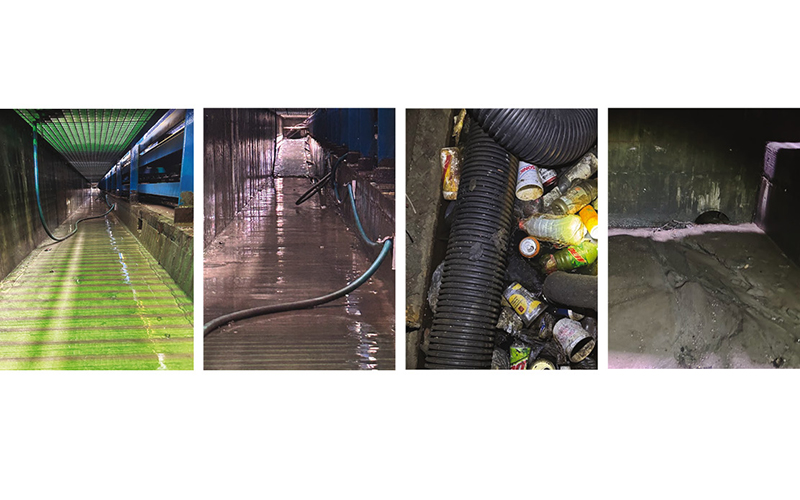 When pits are not cleaned routinely, sludge builds up in tanks, debris bypasses separation stages, and contaminants are pulled back into pumps and equipment. This accumulation occurs gradually, often going unnoticed until performance declines, leading to reduced water quality, increased maintenance costs, and potential equipment failure. Left unchecked, these contaminants begin moving through the system, adversely affecting wash quality. As conditions worsen, operators may assume the reclaim system is failing and switch back to fresh water. Consequently, this undermines the very system put in place to save water and money.
Condition-Based Center Trench Cleaning
The key to effective center trench cleaning is understanding that it should be condition-based, not calendar-based. The center trench serves as the frontline of debris collection, handling the heaviest solids and typically requiring the most frequent attention. A high-volume express wash handling hundreds of vehicles per day will accumulate debris faster than a low-volume site, particularly in regions with snow, salt, or unpaved roads. While some operators plan cleaning at set intervals throughout the year, high-volume express sites require a more responsive approach. Factors to consider include car count, seasonal conditions, and visible buildup or flow restrictions. Cleaning frequency can vary widely, so consistency and close attention to site conditions matter most.
Scheduled Cleaning of Underground Reclaim Tanks
While trench maintenance varies, underground reclaim tanks follow a more predictable pattern. Over time, particles that pass through initial separation settle at the bottom of these tanks, forming dense sludge layers. If left unchecked, this buildup reduces system capacity and increases the likelihood of contaminant recirculation. Unlike trench debris, this material is not easily removed in-house. Many sites rely on professional services to clean tanks safely and thoroughly. A general guideline is to service tanks on a scheduled basis with frequency determined by usage, inspection findings, and local requirements. Warning signs such as odour, poor water clarity, or repeated equipment failures should prompt immediate inspection.
A Simple Practice with Significant Impact
As mentioned earlier, when sludge and debris accumulate, it doesn’t simply stay in one place. Rather than managing contamination, the system recirculates it, allowing it to reach spray nozzles and affect wash performance. The result is increased wear and maintenance demands, leading to costly repairs and downtime. In an industry focused on efficiency and sustainability, cleaning the center trench and underground reclaim tanks is a straightforward maintenance practice with outsized benefits. Ultimately, the effectiveness of a water reclaim system isn’t determined solely by its design or technology, but by how well a site is maintained.
Nicole Carson is the general manager at SoBrite Technologies, an OEM manufacturer of water treatment systems for carwash applications. She oversees day-to-day operations and production planning, ensuring efficient order fulfillment and on-time delivery. In this role, she has firsthand insight into system performance within carwash operations.