



How AI Is Changing Online Behaviour for Carwash Businesses
By Mel Ohlinger
Not long ago, AI burst onto the small business scene like a brand-new wash – flashy, powerful, and impossible to ignore. Suddenly, businesses could create logos, social posts, videos, and ads in minutes. For small operators and family-owned carwash businesses in particular, it felt like a major upgrade and a huge time saver. It was exhilarating. That excitement is still very real, but we’re starting to see it evolve. As artificial intelligence has become widely accessible, tasks that once required agencies, long timelines, or specialized skills are now fast and affordable. For many carwashes, AI introduces more tools, less friction, and new ways to compete in crowded markets. It makes it easier to compete in digital marketing and flatlines the cost to compete.
Now, as AI becomes normal rather than novel, both businesses and customers are responding differently to its use in social media and digital marketing. This shift isn’t a rejection of AI; it’s better described as discernment. Initial curiosity is increasingly paired with skepticism (and at times frustration) as people become more aware of how often AI is shaping what they see online. Businesses that are paying attention are learning where AI genuinely adds value, particularly in creating more relevant and personalized experiences, and where it can quietly dull the shine of authenticity and trust if overused.
At the same time, there’s a growing emotional layer to this conversation. In some communities, especially those facing the expansion of large data centers, AI has become tied to broader concerns about resource use – particularly water. In those areas, residents are protective of their local resources and may view both carwashes and AI infrastructure as potential threats. As a result, content that feels overtly or obviously AI-generated is sometimes met with resistance or avoidance. This makes thoughtful, community-aware personalization more important than ever, reinforcing the value of marketing that feels local, human, and grounded in real-world connection.
Across AI use as a whole, one of the most noticeable shifts is how deeply personalized online experiences have become, and how differently that personalization is perceived across countries. Our Canadian customers tend to be more aware of how their data is used in AI systems and approach these tools with greater caution, particularly when it comes to privacy and consent. U.S. based clients, on the other hand, are generally more focused on how AI can save time and reduce costs, often prioritizing efficiency and speed over data protections.
In both markets, AI-driven platforms shape what people see with remarkable precision, reinforcing preferences, habits, and familiar patterns. From a business perspective, this level of personalization can be extremely useful. The challenge comes when many brands rely on the same tools and techniques, causing content to blend together. Customers did not consciously recognize AI-generated or AI-assisted content at first, but now we see specific generations being able to point it out immediately. Some people aren’t able to identify AI use, but they can sense when something feels generic. For local businesses that rely on familiarity, trust, and community connection, that lack of differentiation can be a costly marketing risk.
Design and communication are where the shift around AI has become most visible. On the communication side, AI-powered replies, chatbots, and assisted writing tools have dramatically sped things up, helping businesses respond faster and stay consistent—but these tools work best when used with sensitivity to tone and intent. Messages that feel overly polished or automated can create emotional distance, especially in industries where trust, familiarity, and routine matter. Efficiency is valuable, but people still want to feel like there’s a human on the other end of the conversation. In design, a similar pattern has emerged. When AI image and video tools first arrived, they performed extremely well—they were eye-catching, clean, and fast to produce, and many still rank well on social platforms today. However, performance doesn’t always equal connection. Customers are becoming increasingly skilled at recognizing AI-generated visuals, from the lighting and symmetry to the “too-perfect” details, and we’re already seeing more people scroll past content that feels artificial, particularly from local businesses. As AI becomes more familiar, we expect this drop-off to grow, with curiosity gradually giving way to caution, and what once felt exciting now sometimes reading as impersonal.
This trend is especially clear in the carwash space. Operators regularly tell us that AI images don’t feel like their wash. Carwash customers want to see real bays, real tunnels, real locations, and real people. When AI-enhanced marketing replaces reality rather than supporting it, it can feel like a misrepresentation—both to the business owner and to the customer. In a category built on trust and habit, that disconnect matters. A brand can’t afford to feel removed from the place customers drive past every day. At the same time, on the data side, we still see customers interacting more frequently with AI-generated images and videos than with real ones. However, those interactions aren’t always positive. In many cases, engagement comes in the form of comments calling out or questioning a business’s use of AI, reinforcing the idea that visibility doesn’t always equal approval.
In carwash brand design, logos are another area where AI helps and harms. AI-generated logos are often appealing at first glance. They’re fast, inexpensive, and helpful for exploring design directions. As a starting point, AI is an excellent brainstorming tool. The issue comes when that first draft becomes the final answer. Many AI logos share the same visual language, making them easy to spot and easy to forget. Customers are beginning to tune them out. We still strongly believe AI is a great place to begin the logo process, but before finalizing, involving a designer to personalize, refine, and add character makes all the difference. That final pass is what turns a decent logo into something distinctive and ownable.
Social media is where AI’s impact is both most positive and most risky for small businesses. On the positive side, AI has made content creation far more accessible: Writing captions, generating ideas, and planning posts no longer require hours and hours of effort. For carwash operators juggling staffing, weather, maintenance, and memberships, that’s a meaningful advantage. AI lowers the barrier to showing up consistently online. But on those same platforms, social media is where “too AI” becomes obvious fastest and where customer descent is the quickest, most visible, and the loudest. Content that looks overly produced, overly corporate, or overly optimized tends to underperform with local audiences right now. In this economy, people gravitate toward brands that feel familiar, friendly, and human. Community-facing content with real photos, staff moments, local references, and simple slightly crappy videos consistently performs better than polished, generic visuals. AI works best behind the scenes: Helping with ideas, drafts, and structure, while the final output still feels grounded in real life.
One of the most unusual aspects of these digital changes is that there’s also a broader trust issue shaping all of this. As deepfakes, fake reviews, and synthetic accounts become more common, customers are approaching online content with greater caution, and even legitimate businesses are feeling the impact. Anything that feels overly artificial can quickly trigger doubt.
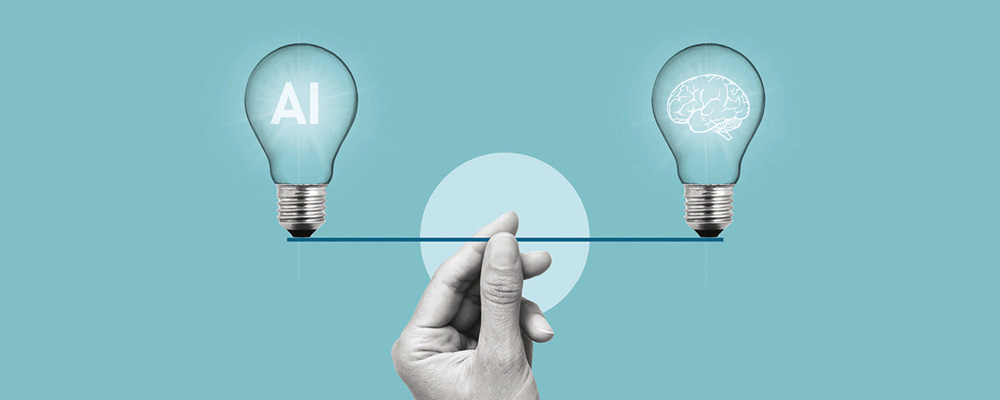
The takeaway isn’t that AI is a problem for small businesses – it’s that AI shouldn’t be the star of the show. The businesses succeeding right now are using it quietly and intentionally to speed up workflows, improve communication, explore ideas, and reduce friction, while letting real people, real places, and real stories do the talking. As AI continues to evolve, the brands that stand out won’t be the ones using it the most, but the ones using it the smartest, balancing efficiency with authenticity and technology with humanity. In a crowded digital landscape, feeling real remains the strongest differentiator, because in the end, people don’t fall in love with algorithms; they fall in love with the trust they feel for the service and the carwash brands. That’s what keeps them coming back.
Mel Ohlinger is the CEO of OhmCo, a carwash marketing agency based in Wisconsin. With over 20 years in marketing, design, and web development, she’s a creative force in the industry. A former cryptologic technician for the NSA, Mel’s background in Morse code and precision laid the groundwork for her expertise in branding and strategy. Holding a BFA from UW Oshkosh, she blends artistry with tech-savvy solutions. Beyond work, she’s a painter, aspiring author, and proud mom of two. Under Mel and her husband Mike’s leadership, OhmCo helps carwash businesses stand out, grow, and succeed.