



Snacks with Benefits
By Angela Altass
Whether it is referred to as healthier-for-you or better-for-you, Canadian consumers have shown a growing interest in snack products with benefits.
“There’s no shortage of research highlighting the continued momentum behind better-for-you snacking in Canada,” says Diana Ly, marketing director, Quaker. “Studies point to growing consumer interest in more intentional, balanced snack choices, with segments like puffed snacks continuing to resonate.”
Today’s Canadian snacker appears to be looking for balance, with taste continuing to drive decisions and overall satisfaction, says Ly.
“Convenience is non-negotiable, especially as more Canadians replace missed meals with snacks,” she says. “Nearly half of Gen Z Canadians say they often skip meals because they’re short on time, and more than a third of Canadians snack regularly between meals.”
A few clear themes are shaping the snack category in Canada right now, says Ly.
“The first is ingredient transparency with consumers reading labels more carefully and gravitating toward products with simpler, recognizable ingredients,” notes Ly. “The second is the rise of permissible indulgence. Shoppers want snacks that feel like a treat without compromising their lifestyle goals. Flavour innovation is also accelerating, with bolder and more indulgent profiles emerging across the better-for-you segment. And, underlying all of it is convenience, particularly among younger Canadians who are navigating time-constrained schedules.”
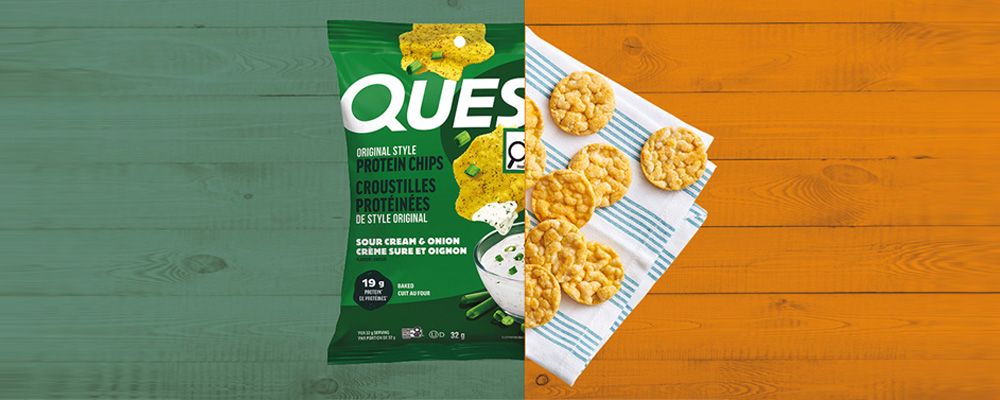
Crispy Minis brown rice cakes are Quaker’s on-the-go answer for the c-store channel, says Ly.
“What’s especially interesting is that taste and balance are no longer viewed as opposing ideas,” says Ly. “Consumers appear to gravitate toward products that bring flavour and satisfaction while fitting into their everyday choices, and that’s where Crispy Minis land. Whole-grain ingredients paired with a range of flavours is a combination that checks a lot of boxes for today’s snacker.”
Ly advises convenience retailers not to treat better-for-you snacks as an afterthought.
“The average c-store visit lasts about three minutes, and a significant portion of shoppers don’t venture far from high-traffic areas, so placement is everything,” she states. “End cap and perimeter positioning, combined with checkout adjacency, is essential. Pairing snacks with beverages in combo or value formats is proving effective at building basket size while reinforcing affordability for shoppers.”
There is continued momentum in snacks that balance health with indulgence, says Patrick Higgins, president, Propel Natural Brands.
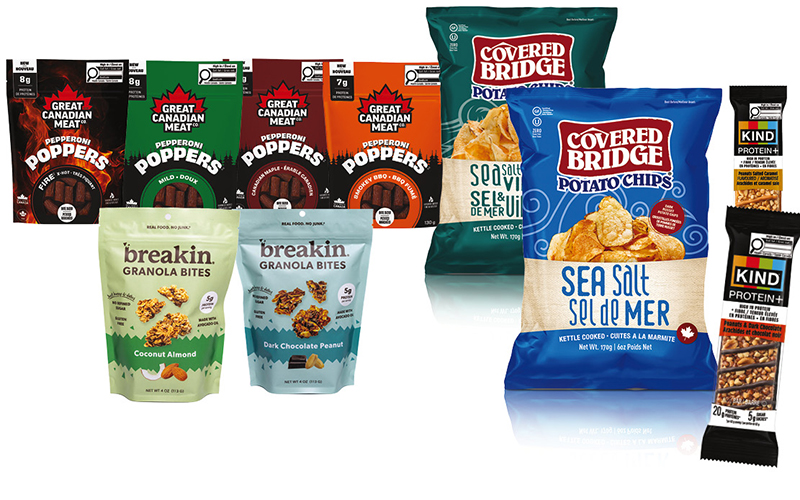
“The biggest shift we’re seeing is that healthy is no longer a niche,” says Higgins. “It’s becoming the baseline expectation. The brands that succeed are the ones that deliver mainstream appeal first and health as a built-in benefit, not the headline. At Propel Natural Brands, we have a strong focus on better-for-you products in familiar formats. Think potato chips but made with cleaner ingredients and better oils. The goal is to meet consumers where they are, without asking them to compromise on taste.”
Industry data consistently shows that better-for-you snacks are outpacing conventional snacks in growth, particularly in channels where shoppers are becoming more intentional about their choices, says Higgins.
“Taste remains the number one driver,” he says. “Beyond that, consumers are looking for clean labels and fewer ingredients, transparency and trust in brands, balanced nutrition that is not overly restrictive, and familiar formats with a healthier twist.”
Healthier snacks perform better when merchandised alongside conventional options rather than in a separate section, adds Higgins.
“Keep it simple,” he advises. “Highlight a few strong SKUs with clear signage rather than overwhelming the consumer with too many niche products.”
As of January 1, 2026, front-of-package nutrition symbols are required on foods that are high in one or more of saturated fat, sugars, or sodium. Higgins notes that this new legislation puts pressure on brands to simplify formulations and reduce negative nutrients, which will ultimately benefit the better-for-you segment.
“I’m all for anything increasing transparency and helping consumers make faster decisions,” says Higgins. “We will see how the front-of-package nutrition symbols impact decision making longer term, but my thinking is that, in most cases, people are aware when the product they are purchasing is high in sodium, sugar, or saturated fat. I think products that are considered non-indulgent may see a negative impact as consumers may not want to waste sugar calories on something like ketchup or granola bars.”
Consumers are actively seeking snacks with clear benefits, like protein and fibre intake or gut health support, says Krista Anderson, founder and CEO of Healthy on the Go.
“In 2025, the health snack industry grew by six to 6.5 per cent, while ultra-processed snacks only grew four per cent,” notes Anderson. “There is clearly a shift in consumer consciousness and demand. Functional snacking is becoming the baseline for healthy snacks, with products now designed to deliver targeted benefits like gut health, energy, and mental focus. Ingredients such as protein, fibre, probiotics, and adaptogens are being emphasized, reflecting a broader shift toward food as daily wellness.”
Fibre-rich and prebiotic snacks are gaining traction as consumers increasingly prioritize gut health, notes Anderson, whose company recently launched a new partnership with Breakin Snacks granola bites, which are made with organic, gluten-free oats, sweetened with honey, and cooked in avocado oil.
“Overwhelmingly, the biggest trend in health snacks is the phenomenal growth of protein snacking,” says Peter VanSlyke, CEO, Great Canadian Meat Company. “Sixty-seven per cent of consumers are seeking snacks with added protein. While there is a huge surge of protein innovation across a range of categories, meat snacks continue to be the largest protein category in c-store.”
Flavours continue to become bolder and hotter and mini or bite-sized snack launches have grown 18 per cent year over year across North America, states VanSlyke.
“Great Canadian Meat Company’s new Pepperoni Poppers bring hand-to-mouth snacking combined with big, bold flavours,” comments VanSlyke. “We have proudly served Canadian c-stores for over 34 years.”
Research has shown that the three biggest consumer drivers are value for money, flavour, and made in Canada, says VanSlyke.
“Snackable protein is surging and protein-forward snacks are one of the fastest-growing categories with meat snacks outpacing chips and bars in dollar growth,” says VanSlyke. “Canadians are continuing to rely on snacks to get them through the day. When it comes to the afternoon snack moment consumers are turning to protein as a snack to stay full longer and keep their energy up.”
The reality that many cured, ready-to-eat meat snacks will carry high in sodium and saturated fat symbols with the new front-of-package legislation only telling part of the story, states VanSlyke.
“Canada’s new front-of-pack labelling will reshape how consumers view healthy snacking, but it risks reducing nutrition to a single lens,” he says. “These meat snacks are also high in protein, low in sugar, and made with simple ingredients, which aren’t captured on the front of pack. What we’re seeing is a shift toward balanced decision-making. Consumers want snacks that are convenient, satisfying, and actually fuel them and protein continues to play a key role in doing that. Front-of-pack labelling raises the bar for transparency, and we support that, but healthy snacking is more than a symbol. The opportunity now is to give Canadians the full picture while continuing to improve and innovate as an industry.”
Consumers are looking for an all-encompassing product that meets their dietary needs with consideration for kosher, gluten-free, and non-GMO, says Alisha Mawani, key account manager, KIND Canada.
“Seventy-one per cent of Canadians want to eat more protein and prioritize it in their diets,” says Mawani, noting that KIND recently launched a new protein+ bar in two flavours. “Bars with functional benefits are seeing an uptick in the market today, including high protein and fibre, clean ingredients, and consideration of allergens.”
It is essential to cater to different consumer preferences and needs and highlight products that are made with whole grains, nuts, and fruits, states Mawani.
Patrick Higgins, president, Propel Natural Brands notes the following as some of the key trends for healthier snacks:
Simplicity in ingredients: Consumers want recognizable, pantry-style ingredients.
Better-for-you comfort foods: Healthier versions of classic snacks are performing well.
Functional snacking: Added protein, fibre, or other benefits are increasingly important, especially given the numbers of people using GLP 1 drugs.
Permissible indulgence: Consumers still want great taste, but with less guilt.